Same day Kennington rubbish removal for restricted access jobs
Posted on 21/06/2026
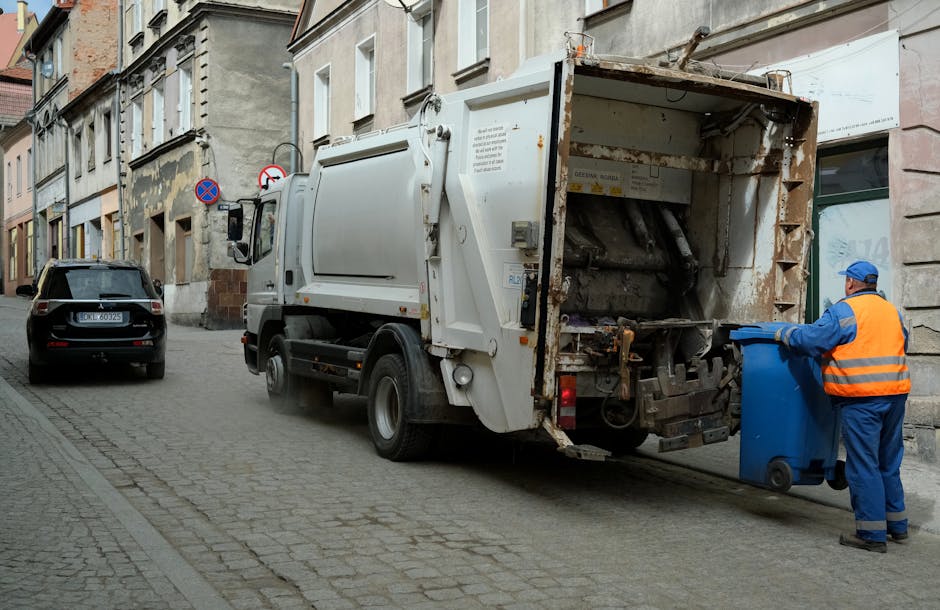
If you need same day Kennington rubbish removal for restricted access jobs, you are probably dealing with a space that is awkward, tight, or just plain unforgiving. Narrow hallways, basement flats, top-floor walk-ups, tiny front gardens, shared entrances, no lift, double-park pressure. The rubbish is there, the clock is ticking, and the job still has to get done without damaging anything or turning the stairwell into a battlefield. That is exactly where a well-planned same day service earns its keep.
This guide explains how restricted access clearances work in Kennington, what slows them down, what speeds them up, and how to avoid the usual headaches. It is written for people who need a practical answer, not vague reassurance. We will also cover the checks that matter, the best way to prepare, and the service choices that make the biggest difference when access is limited and the waste needs to go today.
Why Same day Kennington rubbish removal for restricted access jobs Matters
Restricted access jobs are not difficult because the rubbish is especially unusual. They are difficult because the route in and out changes the whole job. A pile of old furniture in a ground-floor flat is one thing. The same pile on the third floor, with a narrow staircase and a shared entrance, is something else entirely. The waste still needs removing, but now timing, lifting method, vehicle positioning, and protection for walls and floors all matter just as much as the volume.
In Kennington, that reality comes up often. Older conversions, mansion blocks, basement flats, mews-style entrances, and compact commercial units can all make clearance more complicated than people expect. A quick same-day turnaround helps because rubbish tends to become more disruptive the longer it sits there. It blocks rooms, slows builders, creates safety risks, and in busy homes it can make the whole place feel impossible to use. Truth be told, nobody wants a mattress wedged in the hallway until next week.
There is also a trust element. When access is awkward, you need a team that can look at the space and make sensible decisions on the spot. That means knowing when to use smaller loads, when to carry in stages, when to protect surfaces, and when a job needs a little more coordination before anyone starts lifting. The best services do not just "remove rubbish"; they remove it with the least drama possible.
For readers comparing local options, it can help to understand the wider service context first. A good overview of what is typically covered across the area is available in the site's services overview, and if you are weighing up clearance costs, the pricing and quotes page is useful for understanding how estimates are usually framed.
Expert summary: restricted access rubbish removal is really about planning. Same day service matters because the work must be assessed, moved, and completed quickly before the inconvenience becomes a bigger problem than the waste itself.
How Same day Kennington rubbish removal for restricted access jobs Works
The process usually starts with a quick assessment of the access challenge. That can be done by phone, photos, or a short description of the site. A good operator wants to know the basics: floor level, stair width, lift access, parking restrictions, item type, and whether the waste is inside or outside. Sounds simple, but these details change the entire approach.
Once the job is understood, the team will plan the right size of vehicle, crew, and removal method. For tight access, this often means a smaller, more manoeuvrable vehicle, extra carrying time, or a staggered load-out. In some cases, the load is better split into lighter trips rather than one heavy push. That might sound slower, but it is usually faster overall because it avoids damage, delays, and backtracking.
Same day jobs in Kennington often rely on clear communication. If the property has an entry code, a concierge, a loading restriction, or a brief window for vehicle access, that needs to be shared early. Otherwise the crew can arrive ready to work and lose precious time waiting around. And nobody likes standing in a stairwell with gloves on, wondering why a front door code was left on the kitchen table.
The type of waste also matters. Loose bagged rubbish is usually easier than heavy dismantled furniture. White goods, office items, mixed builders' debris, and awkward bulky objects may need different handling. Where relevant, the team may direct you toward a more specific clearance page such as furniture removal in Kennington, white goods and appliance disposal, or builders waste disposal in Kennington, depending on what actually needs shifting.
The best same day operators also think about where the waste is going afterwards. If you are trying to keep the job tidy from end to end, it is worth reading up on the company's approach to recycling and sustainability so you know whether reusable or recyclable material is being separated properly.
Key Benefits and Practical Advantages
The biggest benefit is obvious: speed. Same day clearance gives you breathing room immediately. That matters in homes where corridors are blocked, in shops where stock has to move, and on building sites where waste is holding up the next stage. Fast removal reduces stress, and that alone is no small thing when a hallway is full of broken cabinets or a yard is starting to look like a storage unit no one asked for.
Another advantage is reduced handling by the customer. In restricted access situations, people sometimes think they need to drag items to the kerb themselves to save money. Sometimes that is possible, but often it creates more risk than value. If you are carrying heavy furniture down a narrow stairwell, one slip can mean damaged walls, a strained back, or both. A professional team can take on the awkward lifting while keeping the route under control.
There is also a practical cost benefit. Same day removal can feel like an urgent purchase, but in many cases it saves money by preventing knock-on disruption. Builders can keep working. Landlords can re-let faster. Homeowners can move. Shop staff can reopen access. The real saving is not always on the invoice; sometimes it is in the hours you get back.
Restricted access clearances also tend to be more efficient when handled by people who already understand local conditions. That includes parking pressure, one-way streets, and typical access patterns in SE11. If you want broader local reading around the area, the blog posts on SE11 rubbish pickup times and waste removal options and Kennington Road fast rubbish removal for builders and shops are useful context.
Who This Is For and When It Makes Sense
This service is a strong fit for anyone who cannot just wheel rubbish straight out to a driveway or front path. That includes tenants in upper-floor flats, homeowners in terraces with tight entrances, landlords clearing awkward rental properties, and businesses in compact premises where back-of-house access is limited.
It also suits people dealing with urgent timelines. If you are preparing a property for sale, finishing a refurb, clearing a tenancy, or making a space safe before visitors arrive, there is a short window where waiting is worse than acting. For that reason, same day clearance often makes sense after a sudden change of plan. A property sale is moving quickly, the removal of a sofa has been delayed, or a house clearance has uncovered more waste than expected. That sort of thing.
Kennington's housing stock creates plenty of these situations. Many homes have character, which is lovely, but character does not always mean easy access. One small side gate, one steep staircase, one awkward turn at the landing, and suddenly a routine collection becomes a negotiation with physics. If you live locally and want a sense of the area's practical realities, the pieces on what it is like to live in Kennington and the ultimate area guide to Kennington give good background.
It can also be a smart option for commercial premises. Small offices, salons, studios, and shops often have limited storage and little tolerance for clutter. A same day removal in a tight access building can keep the workspace safe and usable without waiting for the next scheduled collection. If the job is office-related, the dedicated office clearance in Kennington service may be more appropriate.
Step-by-Step Guidance
- Describe the access honestly. Say whether there are stairs, lifts, codes, shared hallways, parking limits, or narrow passageways. If something feels awkward, mention it. That is not being difficult; it is being helpful.
- List the items clearly. A mixed pile of bags, a wardrobe, a broken bed frame, and some renovation debris all behave differently on the day. Good descriptions lead to better planning.
- Send photos if possible. A few pictures of the access route, the waste, and the exit point help remove guesswork. A phone photo can save a lot of back-and-forth later.
- Check timing constraints. Note school runs, delivery windows, concierge hours, or building management rules. In restricted access jobs, timing is often just as important as lifting.
- Prepare the route. Move fragile items, unlock doors, and clear loose clutter. If the crew can walk in and start safely, the job tends to go smoothly.
- Confirm what stays and what goes. A quick walk-through avoids mistakes. It is surprisingly easy for a "keep" pile to look like waste when everything is stacked together.
- Choose the right service level. For mixed household waste, use the most relevant collection type. For example, general domestic clearances may fit domestic waste collection in Kennington, while larger clear-outs may need house clearance in Kennington or loft clearance in Kennington.
- Ask how the load will be handled. For restricted access, it helps to know if items will be carried in sections, dismantled first, or grouped by weight. Small detail, big difference.
A simple way to think about it: the less the crew has to discover on arrival, the faster the job gets finished. You do not need a technical briefing. Just enough clarity to avoid surprises. That is really the whole game.
Expert Tips for Better Results
One of the best tips is to separate the waste into categories before the crew arrives. Put furniture in one spot, bags in another, and any electrical items aside if they are going to be handled separately. This makes loading faster and reduces the chance of fragile items getting crushed. It is a small thing, but you will notice the difference on a tight stairwell.
Another useful move is to clear the route of low-hanging hazards. Shoe racks, plant pots, loose mats, and trailing cables can all become trip points. Restricted access jobs are often about removing friction, literally and figuratively. If the path is clean, the team can work with confidence and speed.
Ask about dismantling early. A wardrobe or bed base that seems impossible to move may become easy once partially broken down. The trick is not to start hacking away at furniture yourself if you are not sure. A little planning beats a hurried job with a screwdriver and one slightly wobbling table leg. We have all seen how that ends.
If you are handling a more specialised clearance, check whether a dedicated service page fits the waste type better. For example, furniture disposal in Kennington can be more relevant than a general collection if most of the load is bulky household furniture.
Finally, keep an eye on access around the building itself. If there is a service yard, loading bay, or shared entrance used by other residents, a short heads-up to neighbours or management can prevent friction on the day. One calm conversation can spare you a lot of awkward knocking about later.

Common Mistakes to Avoid
The most common mistake is underestimating the access problem. People often describe the rubbish accurately but forget that the stairwell is too narrow, the lift is out of service, or the van cannot wait on the road for long. Then the schedule has to be reworked at the last minute. It still might be fixable, but it becomes much harder.
Another mistake is not mentioning heavy or awkward pieces. A small pile of waste can hide a surprisingly heavy item, and that changes manual handling needs. If there are appliances, double mattresses, bath panels, or dense builder's rubble mixed in, say so upfront. The crew cannot plan for what they do not know.
People also forget to protect the area. In a narrow property, small scuffs matter because there is no spare space to absorb them. If the floors are delicate or the walls freshly painted, say that as well. A good team will adjust their handling, but they need to know what they are working around.
And yes, this one happens more than you might think: leaving the wrong things in the clearance zone. Keep items, documents, chargers, keys, and anything sentimental out of the pile. Once the job starts, clutter becomes clutter. Easy to mix up. Easy to regret.
Tools, Resources and Recommendations
You do not need special equipment for every job, but a few simple tools can make restricted access waste removal far smoother. Heavy-duty gloves help if you are sorting items before collection. Strong bags or boxes can stop loose debris from spilling. A torch is useful in basement areas or dim stairwells, especially in the early morning or later in the day when the light goes soft and uneven.
If you are preparing a larger property, basic protective materials can help too. Floor coverings, corner guards, or even a clean sheet over a narrow bannister may reduce wear on the route. That said, the team carrying out the removal should still bring sensible safety measures. Good practice matters more than fancy kit.
For more background on how a responsible provider should work, the site's pages on insurance and safety and waste carrier licence and compliance are worth reviewing. They help you understand the kind of protections and standards a professional service should have in place.
If you care about how waste is handled after collection, the recycling and sustainability section gives a better sense of responsible disposal priorities. And if you want to understand the business itself before booking, the about us page can help build confidence about who is doing the work.
Law, Compliance, Standards and Best Practice
With rubbish removal, compliance is not just paperwork. It affects how waste is carried, stored, transferred, and disposed of. In the UK, waste should only be handled by a properly authorised carrier, and customers should feel comfortable asking about that. You do not need to be a licensing expert to ask sensible questions. In fact, you should ask them. It is your waste until it is transferred properly.
Best practice also includes safe manual handling, sensible load management, and due care around shared spaces. Restricted access jobs create extra risk because more lifting happens in tighter conditions. That means careful route planning, appropriate team numbers, and realistic time estimates. Rushing is rarely the answer. It is usually where damage, injury, or delay starts.
Insurance matters too. If a clearance team is moving items through a tight hallway, accidental scuffs can happen even when everyone is careful. A professional operator should be able to explain how they manage that risk. For customers, it is reasonable to check whether the company has the right cover and works with a safety-first approach rather than hoping for the best.
Privacy and payment practices can also be relevant if access arrangements involve concierge details, security codes, or remote instructions. That information should be handled carefully, not passed around casually. If you want to review those basics, the site's privacy policy and payment and security pages are the right place to start.
Options, Methods, or Comparison Table
Not every restricted access job needs the same approach. Here is a simple comparison to help you think it through.
| Approach | Best for | Strengths | Limitations |
|---|---|---|---|
| Same day crew collection | Urgent clearances with narrow stairs, shared entrances, or limited parking | Fast turnaround, fewer delays, less disruption | May cost more than booking ahead and requires good access details |
| Pre-planned scheduled collection | Jobs where access is awkward but not urgent | More time to coordinate, often easier to plan around building rules | Not suitable when the waste must go today |
| Customer-assisted staging | Small loads where the client can safely move items to a ground-floor point | Can reduce handling time and make the collection quicker | Not ideal for heavy, bulky, or risky items |
| Specialist clearance service | House, loft, office, or furniture-heavy jobs | More tailored handling and better load matching | May be unnecessary for simple mixed rubbish |
If you are unsure which route fits your job, think about one question: what is the biggest bottleneck, the time or the access? If it is time, same day is the priority. If it is access, the priority is the method. Sometimes it is both, and that is where a little expert judgement pays off.
Case Study or Real-World Example
Imagine a second-floor flat in Kennington with a narrow shared staircase and a bulky mix of unwanted items after a tenant move-out. There is a sofa, a dismantled bed frame, several black bags, and an old appliance tucked in the kitchen. The hallway is tight, the stair turns sharply at the landing, and the landlord wants the place cleared before afternoon cleaners arrive.
In that kind of job, the winning approach is usually not brute force. It is sequence. First, identify the heaviest items. Next, clear the route and protect the pinch points. Then remove the lighter bags to create working space before tackling the furniture. If the appliance needs careful handling, it gets moved last or first depending on the route. The aim is to avoid congestion on the stairs, because once that backs up, everything slows.
These jobs are often finished faster than people expect once the plan is right. The trick is that the work looks simple from the outside but has to be choreographed from the inside. That is why experienced teams ask so many questions before they turn up. They are not being fussy. They are trying to keep your walls intact and your schedule alive.
A similar kind of real-world pressure comes up in area-specific clearances such as the Kennington Park bulky rubbish clearance for residents article and the Kennington rubbish removal Oval area guide, both of which reflect how local access and property type shape the job.
Practical Checklist
- Confirm where the rubbish is located in the property.
- Note stairs, lifts, gates, codes, and parking limits.
- Take a few clear photos of the waste and access route.
- Separate keep items from remove items.
- Move fragile objects away from the clearance path.
- Tell the team about any heavy, sharp, or awkward items.
- Share any building management or concierge restrictions.
- Ask whether dismantling is needed before collection.
- Check whether the job is best treated as domestic, furniture, appliance, office, or builders waste.
- Keep payment and access details ready so the crew can start quickly.
That checklist may look basic, but it covers most of the delays people run into. And in restricted access jobs, basic is good. Basic works. Fancy is overrated when a staircase is involved.
Conclusion
Same day Kennington rubbish removal for restricted access jobs is about more than speed. It is about making a difficult clearance feel manageable, safe, and properly organised. When the route is tight and the deadline is close, the right plan saves time, reduces damage risk, and keeps everyone calmer. That is worth a lot on a busy day.
If your rubbish is already in the way, do not wait for it to become a bigger problem. Share the access details early, choose the right service type, and let the removal team work around the restrictions instead of fighting them. That small bit of preparation can make the whole experience feel oddly straightforward. Not easy exactly, but straightforward.
Get a free quote today and see how much you can save.